June 12, 2026
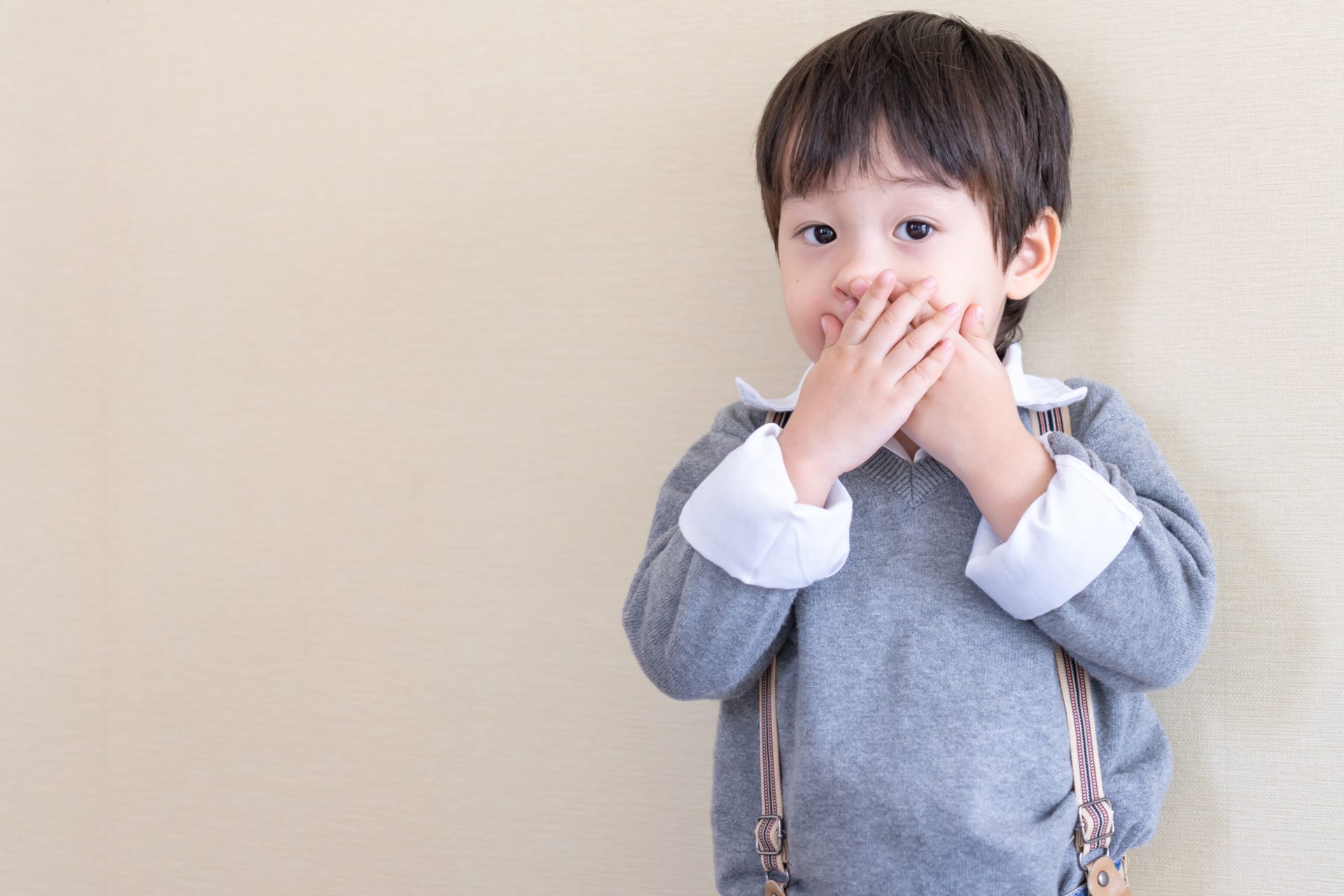
Why do Autistic children engage in biting behaviors?

The developmental journey of a child with autism (child with special rights) often comes with unique challenges, including behaviors that may cause concern for parents and caregivers. One of these behaviors is biting others or biting themselves.
Many people wonder why a child may bite when they are happy, upset, or even when they do not appear to be expressing any obvious emotions. However, rather than viewing this solely as a negative behavior, it is important to understand the underlying reasons behind it. For many autistic children, the way they process and respond to sensory input differs from that of other children. When they are unable to express themselves verbally, biting may become a way to communicate or regulate their internal state. Understanding this can help parents and caregivers respond with greater empathy and appropriate support.
Understanding why Autistic children bite
Biting behaviors in autistic children can stem from a variety of factors, but two of the most common are sensory overload and communication difficulties.

When sensory overload occurs
Sensory overload happens when a child receives more information from their environment than their brain can comfortably process.
Imagine an adult in a crowded space filled with loud noises, bright lights, and various smells. After some time, feelings of discomfort and exhaustion may begin to emerge. For autistic children, this experience can be significantly more intense.
Things that may seem ordinary to others—such as loud voices, overhead lighting, or the texture of clothing against the skin—can sometimes cause prolonged discomfort for an autistic child. In these situations, biting may serve as a way to relieve stress and regain a sense of balance.
In many cases, biting is not intended as an act of aggression. Rather, it is an attempt by the child to self-regulate when experiencing sensory overload.
Communication challenges and unexpressed emotions
For children with limited language skills, expressing needs and emotions can be extremely challenging. A child may be hungry, sad, in pain, or in need of help but may not know how to communicate these feelings verbally. Over time, feeling misunderstood can lead to frustration, stress, and alternative forms of expression. Without effective communication tools, a child may use biting to express discomfort, gain attention, or protest something they dislike. In this sense, biting can sometimes function as a form of communication.
Instead of focusing solely on eliminating the behavior, it is important to understand the message the child may be trying to convey.
How can biting behaviors be reduced?

Reducing biting behaviors is not simply about stopping a child from biting. It is also about helping the child develop more appropriate ways to communicate and regulate their emotions.
Because every child is different, the first step is to observe and identify factors that commonly occur before the biting behavior takes place. Parents can keep records of when the behavior happens, the surrounding environment, and any events leading up to it in order to identify patterns and potential triggers.|

Once the underlying cause is understood, parents and caregivers can create a structured, predictable environment that supports the child’s sensory needs. Visual schedules using pictures or symbols can help children understand what activities will take place throughout the day, reducing anxiety associated with transitions between activities.
In addition, children may benefit from regular breaks in a quiet space where they can relax and recover when feeling overwhelmed. Sensory supports such as noise-canceling headphones, weighted blankets, or sensory toys may also help children regulate their emotional and sensory states more effectively.
An important reminder

Biting is often more than just aggressive behavior. It may be a way for a child to express their needs, emotions, or responses to challenges they are experiencing.
By understanding the reasons behind this behavior, we can better support children through empathy, patience, and appropriate intervention strategies. A safe environment—where children feel heard, respected, and understood—provides an essential foundation for positive growth and development.